
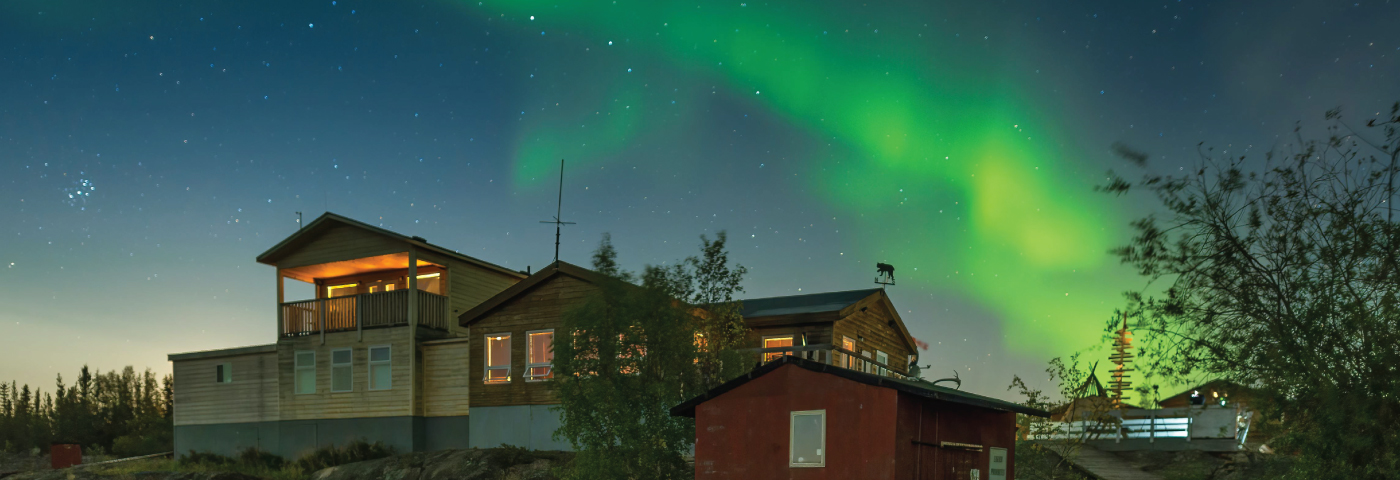
Northwest Territories solar installations are rare but growing, particularly in Yellowknife and larger communities. The extreme northern latitude means solar is primarily a summer energy source, but extended daylight hours can generate significant power during peak months. The territorial government supports renewable energy through various programs for those pioneering solar in the arctic.
Current Northwest Territories Solar Incentives (2025)
Programs that save you money on solar| Program | Amount | Eligibility |
|---|---|---|
| Federal Greener Homes Grant | Up to $5,000 | All homeowners |
| Arctic Energy Alliance Programs | Varies | Technical support & rebates |
| NTPC Net Metering | Credit system | Limited availability |
| No Territorial Sales Tax | 0% tax | NWT has no sales tax |
Northwest Territories Solar Costs & Savings
What to expect for your investmentAverage System Cost (2025)
- 5 kW System: $16,000–$20,000
- 10 kW System: $30,000–$38,000
- 15 kW System: $43,000–$53,000
Annual Savings
- Yearly Savings: $500–$900/year
- Payback Period: 25–35 years
- 25-Year Savings: $12,000–$22,000
Top-Rated Northwest Territories Solar Installers
Verified Northwest Territories solar companies with real reviews
Arctic Energy Alliance
📍 Yellowknife, NT Community & Residential
Northern Solar Solutions
📍 Yellowknife, NT Residential & Off-Grid
NTPC Renewable Projects
📍 Yellowknife, NT Community & GovernmentNorthwest Territories Solar FAQ
Quick answers for Northwest Territories homeownersHow does the Arctic Energy Alliance support solar adoption?
The Arctic Energy Alliance (AEA) provides technical assistance, energy assessments, and rebate programs for NWT residents interested in renewable energy. They offer guidance on system sizing, installer selection, and help navigate available incentives to make solar more accessible in the territory.
How does the midnight sun affect solar production in NWT?
The midnight sun is a significant advantage for summer solar production. Yellowknife receives nearly 24 hours of daylight around the summer solstice, allowing solar panels to generate power almost continuously. June and July are peak production months, with systems generating 3-4 times their winter output.
Can solar help offset diesel costs in NWT communities?
Yes, many NWT communities rely on expensive diesel generators for electricity. Solar can significantly reduce diesel consumption during summer months, lowering both energy costs and carbon emissions. Several community solar pilot projects have demonstrated meaningful diesel displacement, especially in communities with high electricity rates.
How do solar panels perform in NWT’s extreme cold?
Solar panels actually operate more efficiently in cold temperatures, as heat reduces panel efficiency. NWT’s cold winters can boost panel output on clear days. However, challenges include heavy snow loads, shorter winter daylight, and the need for robust mounting systems designed to withstand extreme weather conditions.
Solar resources by province
Incentives, installers, and costs specific to your region


