
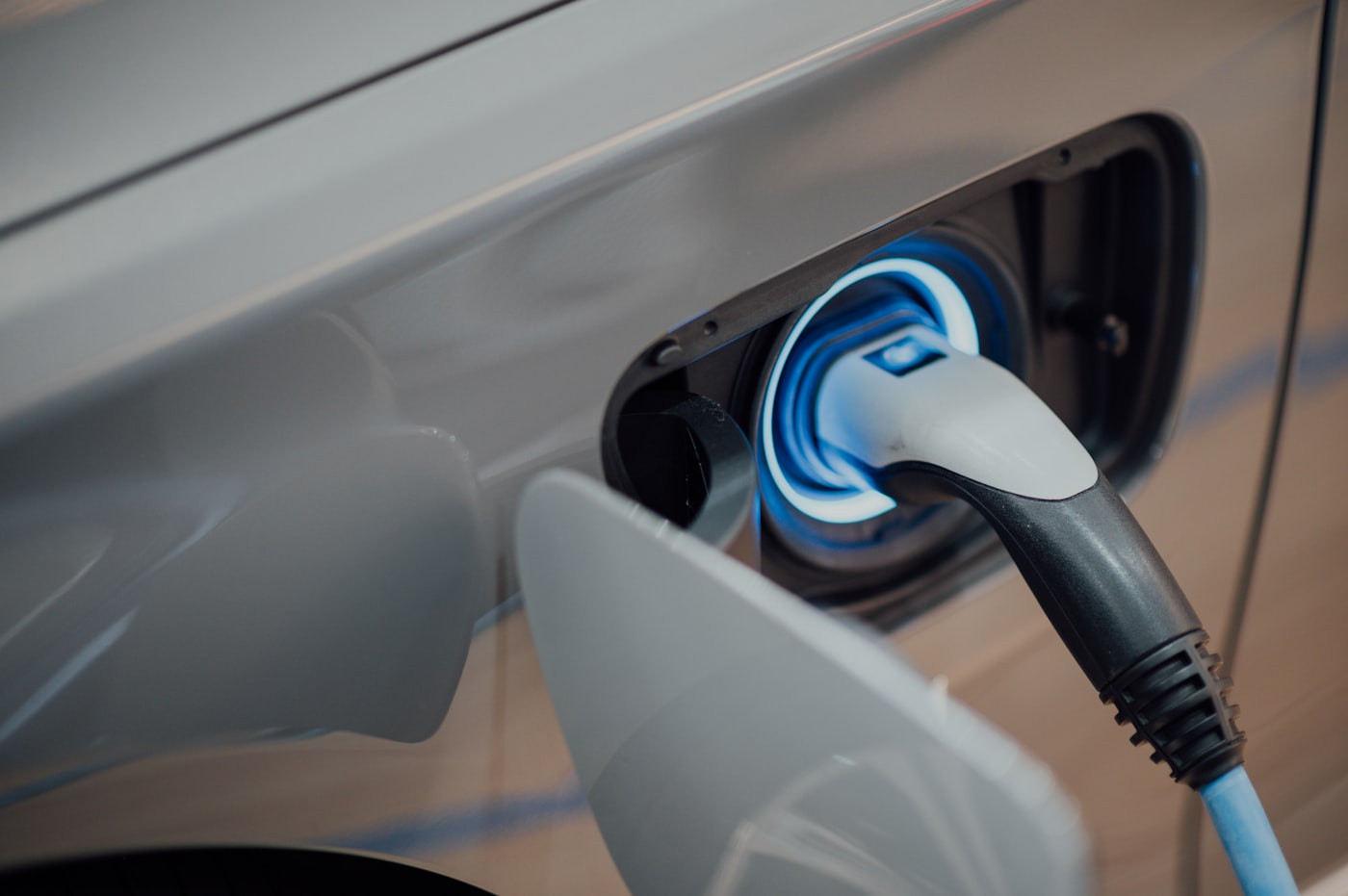
Solar and electric vehicles are a natural pairing. Adding solar panels to your home can offset most or all of your EV charging costs, effectively turning sunlight into free fuel. With federal incentives available for both solar and EVs, Canadian homeowners have a unique opportunity to cut energy costs across the board.
The Economics of Solar + EV
How the numbers work for Canadian homeowners
| Cost Category | Gas Vehicle (Annual) | EV + Grid (Annual) | EV + Solar (Annual) |
|---|---|---|---|
| Fuel / Charging | $2,400–$3,600 | $500–$900 | $0–$100 |
| Home Electricity | $1,500–$2,400 | $1,800–$3,000 | $0–$300 |
| Total Energy Cost | $3,900–$6,000 | $2,300–$3,900 | $0–$400 |
| Annual Savings vs Gas | – | $1,600–$2,100 | $3,500–$5,600 |
Based on 20,000 km/year driving, average Canadian electricity rates, and a 10–12 kW solar system. Actual savings vary by province and driving habits.
How to Size Solar for EV Charging
Getting the right system size to cover your home and your car
Sizing Your System
- Average EV uses 15–20 kWh per 100 km
- 20,000 km/year = 3,000–4,000 kWh for charging
- That’s roughly 6–8 additional solar panels (2–2.5 kW extra)
- Combined home + EV system: typically 8–12 kW total
- Cost for the EV portion: $4,000–$7,000 before incentives
Charger Options
- Level 1 (120V): 5–8 km/hour charge – fine for short commutes
- Level 2 (240V): 30–50 km/hour charge – recommended for most homes
- Level 2 charger installed: $1,500–$2,500
- Smart chargers can schedule charging during peak solar hours
- Some chargers integrate directly with solar inverters
Canadian Incentives for EV + Solar
Federal and provincial programs that reduce your upfront costs
| Program | Amount | What It Covers | Status |
|---|---|---|---|
| Federal iZEV Rebate | Up to $5,000 | Purchase/lease of eligible zero-emission vehicles | Open |
| Canada Greener Homes Grant | Up to $5,000 | Solar panel installation (post-energy audit) | Check availability |
| Canada Greener Homes Loan | Up to $40,000 | Interest-free loan for solar + energy upgrades | Open |
| BC CleanBC Go Electric | Up to $4,000 | EV purchase + charger rebates | Open |
| QC Roulez vert | Up to $7,000 | EV purchase rebate (stacks with federal) | Open |
| NS SolarHomes | Up to $3,000 | Residential solar installation | Open |
Incentive amounts and availability change. See our full incentives guide for the latest information.
EV + Solar FAQ
Common questions about combining solar and electric vehicles
Can I charge my EV entirely with solar?
In most Canadian provinces, yes – a properly sized solar system can generate enough annual electricity to cover both your home and EV charging. You’ll still draw from the grid at night, but net metering credits from daytime solar production offset that cost.
Do I need a battery to charge my EV with solar?
No. With net metering, your solar panels feed excess power to the grid during the day and you draw it back at night when charging. A home battery adds backup power and more control but isn’t required for solar EV charging.
Should I get solar first or an EV first?
Either order works, but getting solar first is often smarter. You’ll start saving on electricity immediately, and when you add an EV later, you can expand the system. If you’re planning both, tell your solar installer so they can size the system for future EV charging.
How much roof space do I need for solar + EV?
A combined home + EV system (10–12 kW) typically needs 500–700 sq ft of south-facing roof space. That’s roughly 25–30 panels. East/west-facing roofs work too but may need a few extra panels to compensate.
Solar resources by province
Incentives, installers, and costs specific to your region


Explore by Province
Provincial solar guides with local costs, incentives, and installers