
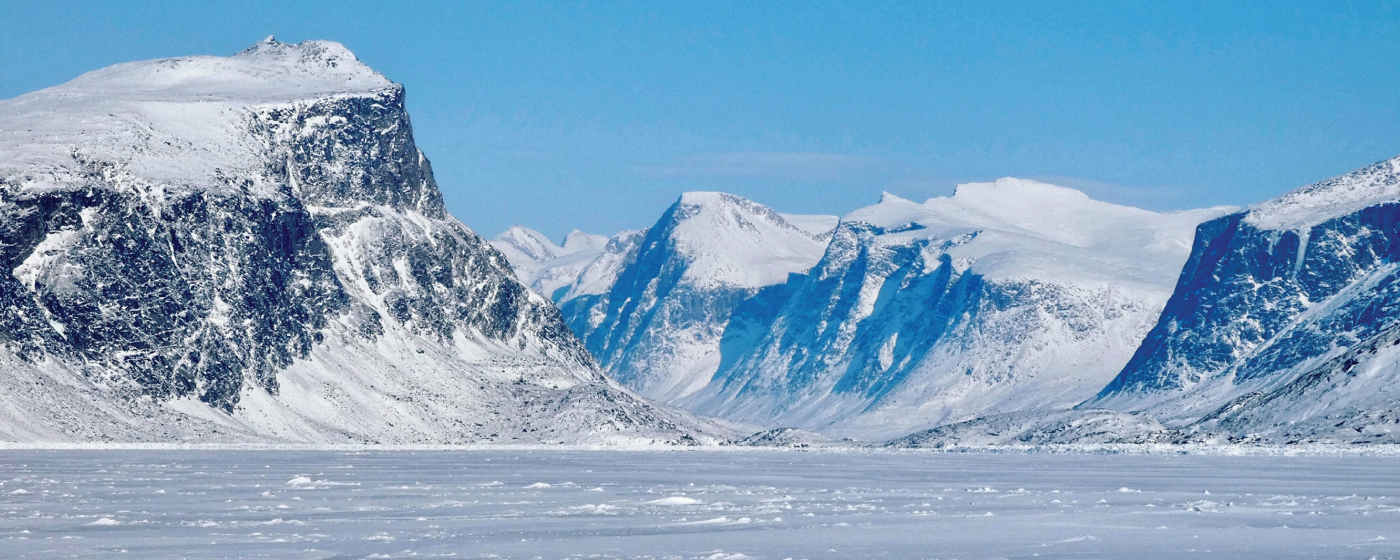
Nunavut represents the final frontier for Canadian solar energy. While solar installations are extremely rare due to the harsh arctic climate and extreme latitude, some communities are experimenting with solar as a diesel offset strategy. Iqaluit and a few other communities have pilot programs exploring solar’s potential in Canada’s newest and most northern territory.
Current Nunavut Solar Incentives (2025)
Programs that save you money on solar| Program | Amount | Eligibility |
|---|---|---|
| Federal Greener Homes Grant | Up to $5,000 | All homeowners |
| Nunavut Energy Centre Support | Technical assistance | Research & planning |
| Community Solar Pilots | Varies | Selected communities |
| No Territorial Sales Tax | 0% tax | Nunavut has no sales tax |
Nunavut Solar Costs & Savings
What to expect for your investmentAverage System Cost (2025)
- 5 kW System: $18,000–$25,000
- 10 kW System: $35,000–$45,000
- 15 kW System: $50,000–$65,000
Annual Savings
- Yearly Savings: $400–$700/year
- Payback Period: 30–40+ years
- 25-Year Savings: $10,000–$17,000
Top-Rated Nunavut Solar Installers
Verified Nunavut solar companies with real reviews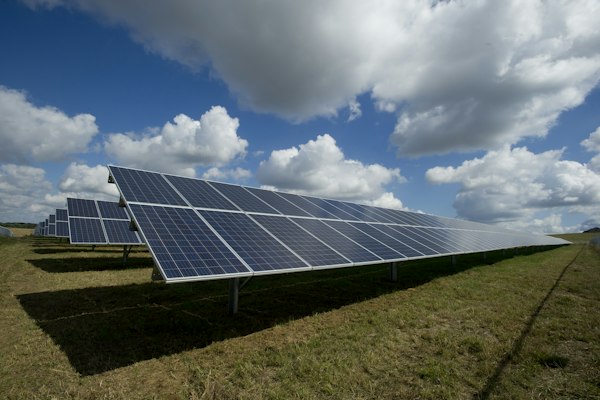
Qulliq Energy
📍 Iqaluit, NU Community & Government
Arctic Renewable Energy
📍 Iqaluit, NU Residential & Off-Grid
Nunavut Power
📍 Iqaluit, NU Community & Pilot ProjectsNunavut Solar FAQ
Quick answers for Nunavut homeownersIs solar energy viable in Nunavut’s arctic climate?
Solar viability in Nunavut is limited but not impossible. During summer months, communities above the Arctic Circle experience 24-hour daylight, creating a window for significant solar generation. However, winter months with little to no sunlight mean solar works best as a supplementary energy source alongside diesel or other power systems.
How can solar help reduce diesel dependence in Nunavut?
Most Nunavut communities rely entirely on diesel generators for electricity, making power extremely expensive. Solar panels can offset diesel consumption during the long summer daylight period, reducing fuel shipment costs and lowering greenhouse gas emissions. Even partial diesel displacement can produce meaningful savings given the high cost of fuel transport to remote arctic communities.
What community solar pilot programs exist in Nunavut?
Several Nunavut communities have launched small-scale solar pilot projects to test feasibility in arctic conditions. These pilot programs, supported by federal and territorial funding, evaluate how solar panels perform in extreme cold, high winds, and seasonal darkness. Results from these pilots inform future renewable energy planning across the territory.
Can solar panels withstand Nunavut’s extreme weather?
Modern solar panels are engineered to withstand extreme conditions including temperatures below -40°C, high winds, and heavy snow loads. In fact, cold temperatures improve panel electrical efficiency. The main challenges in Nunavut are proper mounting to handle wind and snow, ensuring components are rated for arctic temperatures, and scheduling installations during the short construction season.
Solar resources by province
Incentives, installers, and costs specific to your region


