
Solar Technology
Sodium-Ion Batteries Could Cut Home Storage Costs by 40% - First Canadian Units Expected 2026
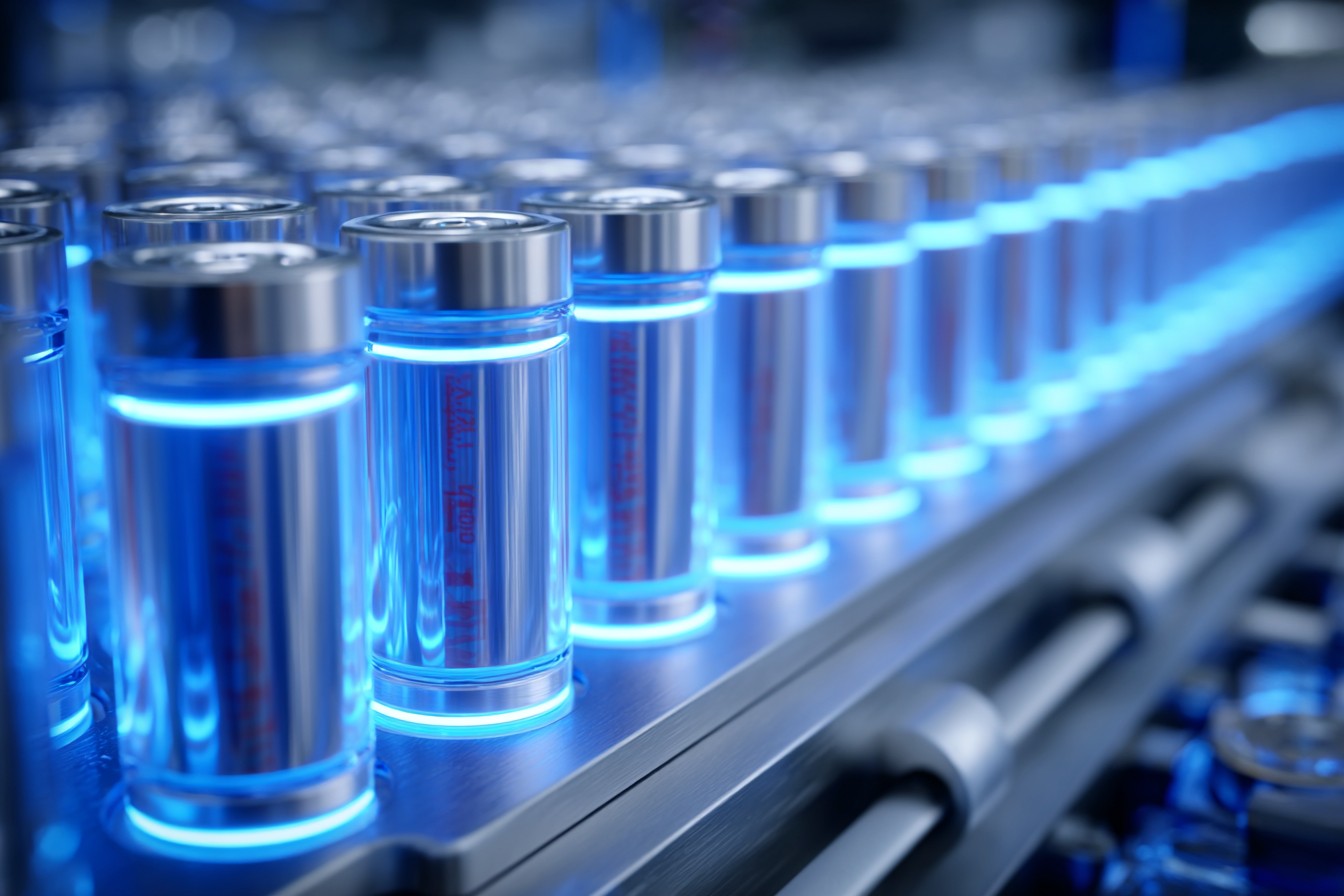
CATL’s Naxtra sodium-ion battery is in mass production. At $40-50/kWh projected costs, home storage could become radically cheaper - and it works better in cold climates.
MIT Technology Review named sodium-ion batteries a 2026 breakthrough technology, and the numbers explain why. CATL - the world’s largest battery manufacturer - launched its Naxtra sodium-ion product line in 2025 and is scaling production into 2026 for energy storage, EVs, and commercial vehicles. Current sodium-ion battery costs sit at $70-$100/kWh, but experts project $40-$50/kWh by 2028-2030 as gigafactories ramp up. For context, lithium iron phosphate (LFP) batteries - the current residential standard - cost $70-$80/kWh. If sodium-ion hits $50/kWh, home battery storage costs drop by 30-40%.
For Canadian homeowners, there’s an additional advantage: sodium-ion batteries perform dramatically better in cold weather.
Why Sodium-Ion Matters for Canadian Home Storage
Cold-weather performance is the headline for Canada. This is where sodium-ion pulls away from lithium:
| Metric | Sodium-Ion | Lithium (LFP) |
|---|---|---|
| Capacity at -20°C | 85-90% retained | 60-70% retained |
| Charging at -20°C | Yes (reduced rate) | No (risk of damage without heating) |
| Thermal runaway risk | Very low | Low (LFP) to moderate (NMC) |
| Cycle life | 3,000-5,000 cycles | 5,000-10,000 cycles (LFP) |
| Energy density | 100-160 Wh/kg | 150-200 Wh/kg (LFP) |
| Raw material cost | Sodium carbonate: ~$200/ton | Lithium carbonate: ~$15,000/ton |
| Cell cost (2026) | $70-$100/kWh | $70-$80/kWh |
| Projected cost (2028-2030) | $40-$50/kWh | $60-$70/kWh |
At -20°C - a normal January temperature in Winnipeg, Edmonton, Ottawa, or Quebec City - a sodium-ion battery retains 85-90% of its capacity. A lithium LFP battery at the same temperature retains only 60-70%. That’s the difference between a battery that powers your home through a cold winter night and one that runs out at 3am.
Current lithium home batteries like the Tesla Powerwall 3 solve this with heated enclosures - but the heating system consumes electricity (2-3 kWh/day in extreme cold), creating a parasitic load. Sodium-ion batteries need minimal or no heating, reducing winter energy overhead.
Key Takeaway
Sodium-ion batteries retain 85-90% capacity at -20°C compared to 60-70% for lithium. For Canadian homes in cold provinces, this means more usable storage when you need it most - without the energy cost of battery heating.
Where Commercialisation Stands
CATL confirmed its 2026 expansion plans for sodium-ion, including dedicated energy storage products. The Naxtra product line is already in mass production for commercial vehicles and is expanding into residential storage.
Other manufacturers scaling sodium-ion:
- HiNa Battery (China): Operating a 1 GWh production line, shipping sodium-ion cells for stationary storage
- Faradion/Reliance (India/UK): Developing residential and grid-scale sodium-ion products
- Natron Energy (US): Focused on data centre and commercial backup, with residential plans
- BYD: Developing sodium-ion alongside LFP for multi-chemistry product lines
Canadian availability timeline:
- 2026: First sodium-ion home storage units expected to reach North American markets through Chinese manufacturers and their distribution partners
- 2027: Broader availability as CATL and competitors establish North American distribution for energy storage products
- 2028-2030: Price parity or advantage over LFP as production scales
The Trade-Offs: What Sodium-Ion Does Worse
Sodium-ion isn’t better at everything:
Lower energy density. At 100-160 Wh/kg vs. LFP’s 150-200 Wh/kg, sodium-ion batteries are physically larger and heavier for the same capacity. A 13.5 kWh sodium-ion unit would be roughly 20-30% larger than a Powerwall 3. For wall-mounted garage installations, this matters.
Shorter cycle life. At 3,000-5,000 cycles vs. LFP’s 5,000-10,000+, sodium-ion batteries may need replacement sooner. At one daily cycle, 3,000 cycles = ~8 years. Most LFP batteries last 15-25 years at the same usage rate.
Less mature technology. LFP batteries have a decade of residential deployment data. Sodium-ion in home storage is new. Early adopters accept more uncertainty.
Bottom line: Sodium-ion is ideal for cold-climate, cost-sensitive installations where size isn’t constrained. It’s not yet a replacement for LFP in every scenario - but for Canadian garages and basements where space is available and cold is the enemy, it could be the better choice within 2-3 years.
Should You Wait for Sodium-Ion?
If you need storage now: Install LFP (Tesla Powerwall 3, Enphase IQ Battery, or Franklin aPower S). Current lithium batteries are proven, available, and eligible for rebates today. Waiting 1-2 years means 1-2 years of paying peak electricity rates.
If you’re planning for 2027-2028: Keep sodium-ion on your radar. By then, residential units should be available in Canada at competitive prices. The cold-weather advantage alone may make them the default choice for Prairie and Northern installations.
If you’re off-grid in a cold climate: Sodium-ion could be transformative. The elimination of battery heating systems simplifies off-grid design and reduces winter parasitic loads. Worth waiting for if your timeline allows.
Need Battery Storage Now?
Current LFP batteries deliver strong performance today. Compare options from certified Canadian installers. Get Your Free Solar + Battery Quote